Licensed
Electrician
Chicago
MCC Electric guide for licensed electrician Chicago, covering scope, common issues, Chicago-area property factors, related services, FAQs, and next-step pl
MCC ELECTRIC
Licensed Electrician Chicago
This is a Core page in the Trust/Transaction cluster. It strengthens entity trust, conversion clarity, and crawlable site architecture without creating thin or duplicate content. The copy speaks to real Chicago-area electrical customers and avoids generic claims that cannot be verified.

SERVICE PATHS
Find the Right Electrical Service
MCC Electric requests are routed by property type, symptom, urgency, access, and project goal.
That makes it easier to choose between electrical repair, emergency service, panel work, lighting, EV charger installation, cabling, residential service, commercial service, or location-based support.
COMMON NEXT STEPS
How Visitors Use This Page
The page gives visitors a clear path into MCC Electric service, trust, proof, FAQ, contact, and location information without unsupported claims.
Request Service
Share the property type, location, symptom or project goal, urgency, and photos when available.
Choose a Service
Move into repair, panels, lighting, EV chargers, cabling, residential, commercial, or emergency service.
Check Service Areas
Use the locations hub to find Chicago neighborhood and suburb pages.
Review Common Questions
Use FAQs to understand warning signs, estimate preparation, and service paths.
Gather Photos
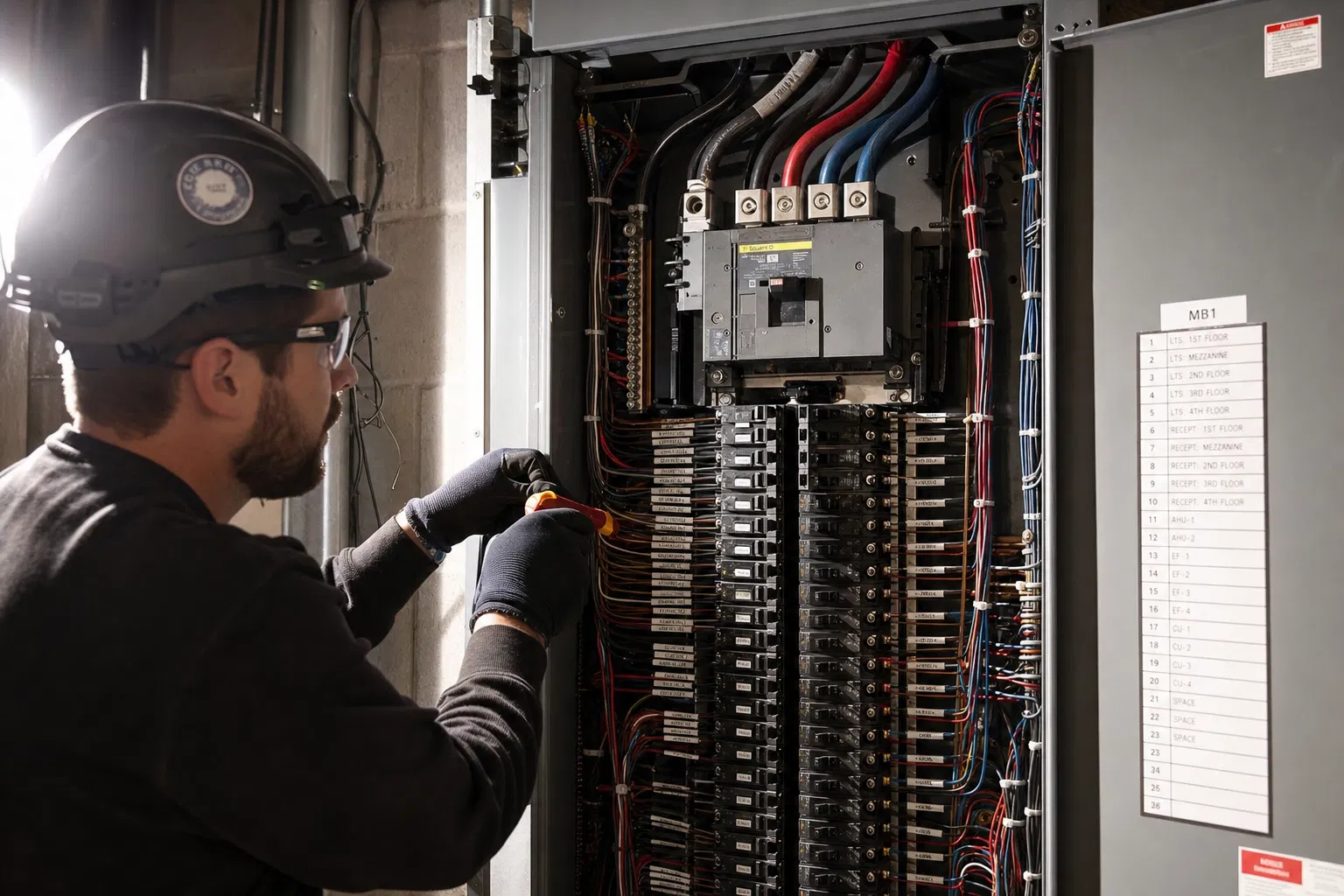
Panel, device, fixture, charger location, or project-area photos can help clarify the request.
Call for Urgency
Heat, odor, sparks, smoke, repeated trips, partial power loss, or business disruption should be flagged quickly.
RESIDENTIAL
Electrical Help for Homes and Condos
Residential requests can include outlets, switches, lighting, panels, EV charger planning, ceiling fans, dedicated circuits, appliance circuits, and troubleshooting.
The best request includes the symptom, what changed, whether a breaker trips, and any access details.
COMMERCIAL
Electrical Help for Businesses and Properties
Commercial requests can include lighting reliability, equipment circuits, panel capacity, tenant improvements, cabling coordination, and urgent troubleshooting.
Business requests should include operating hours, affected equipment, customer or staff impact, and building-management requirements.
REQUEST PROCESS
How to Prepare a Clear Request
Describe the issue or project goal, provide photos when available, identify the property type, and flag any urgent safety or business conditions.
Clear details help MCC Electric understand the likely service path before the work is scheduled.
CALL 847-401-8393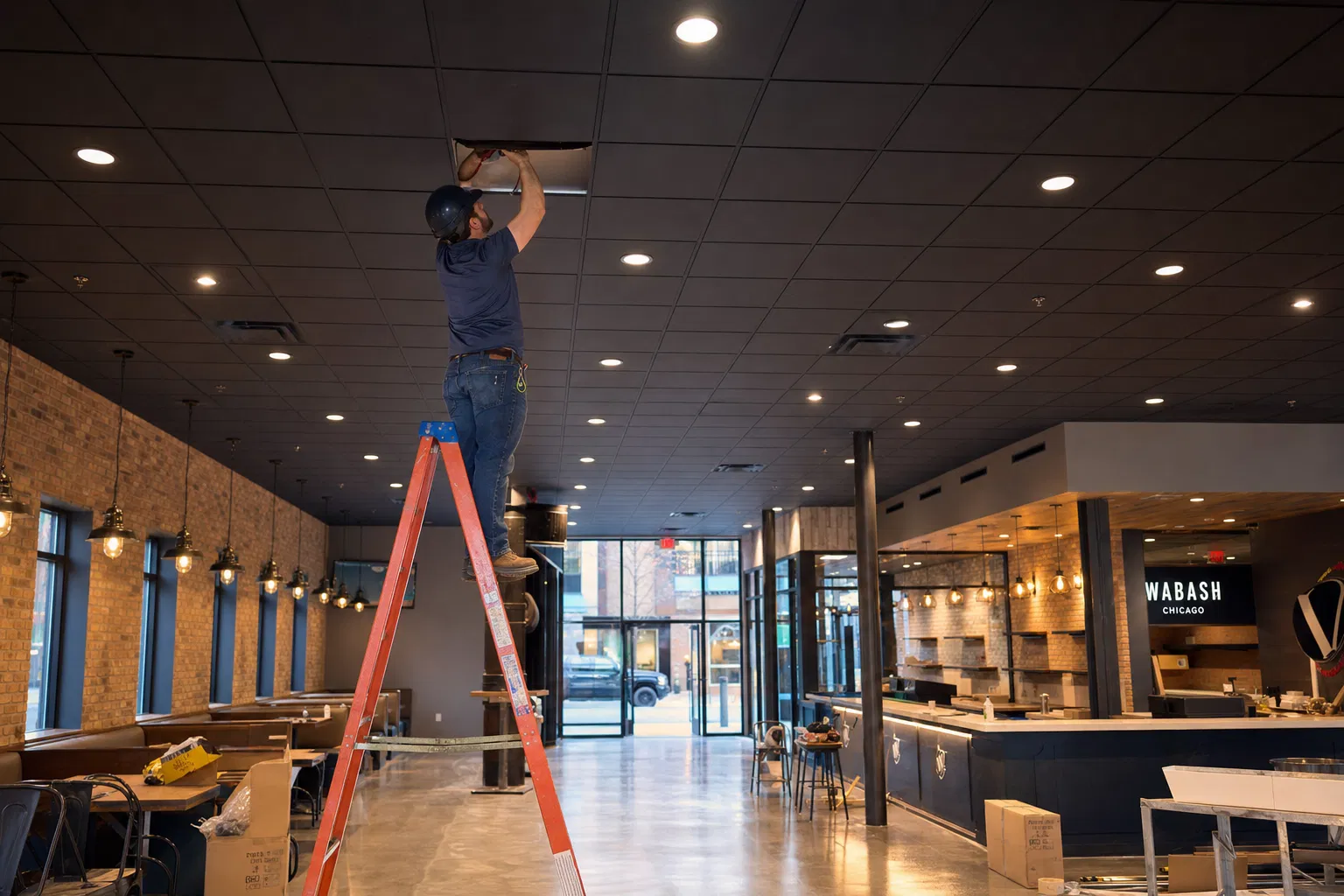
HOW SERVICE WORKS
Simple Request Checklist
The fastest way to get useful help is to describe the electrical condition clearly.
Property Type
Tell MCC Electric whether this is a house, condo, apartment, office, retail space, restaurant, or other property.
Issue or Goal
Describe what stopped working, what needs to be installed, or what project needs electrical support.
Photos and Access
Send panel, device, fixture, equipment, charger-location, or access photos when available.
Urgency
Flag heat, odor, sparks, smoke, repeated trips, partial power loss, deadlines, or business disruption.
SAFETY SIGNALS
When to Call Quickly
Some electrical symptoms should not wait for a routine estimate conversation.
Call quickly for heat, burning odor, sparks, smoke, repeated breaker trips, partial power loss, water near electrical equipment, or business disruption.
CALL NOW – 847-401-8393Need Electrical Service?
Use the contact form or call MCC Electric with the property type, location, issue, urgency, and photos if available.
Related Electrical Services
Continue into nearby services and support pages.
FREQUENTLY ASKED QUESTIONS
Licensed Electrician Chicago FAQs
What can I do on the Licensed Electrician Chicago page?
Use this page to understand MCC Electric service paths, contact options, related electrical services, and the next step for a Chicago-area electrical request.
What information helps before requesting service?
Share the property type, location, symptom or project goal, urgency, access details, and photos of the panel, device, fixture, equipment, or work area when available.
When should I call instead of waiting?
Call quickly for heat, burning odor, sparks, smoke, repeated breaker trips, partial power loss, water near electrical equipment, or electrical issues that disrupt business operations.
GET IN TOUCH
Contact MCC Electric
Describe the property type, location, and electrical issue or project. MCC Electric will review the request and respond within 1 hour. No obligation.